

In the world of property and construction, the role of a land surveyor is often neglected, yet it is fundamental to the successful execution of any project. Surveyors are the detail-oriented experts who assess and chart land, ensuring that all aspects is accounted for, from property lines to structural integrity. Whether you are preparing to build a new home, develop commercial property, or even purchase a piece of land, understanding what a land surveyor does and how they contribute to the process is important.
The following comprehensive overview will explore the various types of surveyors and their specific roles, highlight the important reasons to hire a professional, and provide insights on how to select the right land surveyor for your needs. With an emphasis on modern technology and the evolving trends in the surveying industry, we will delve into the significant benefits that certified land surveyors bring to real estate development and transactions, ensuring your project is founded on a strong foundation.
Understanding the Function of Land Surveyors
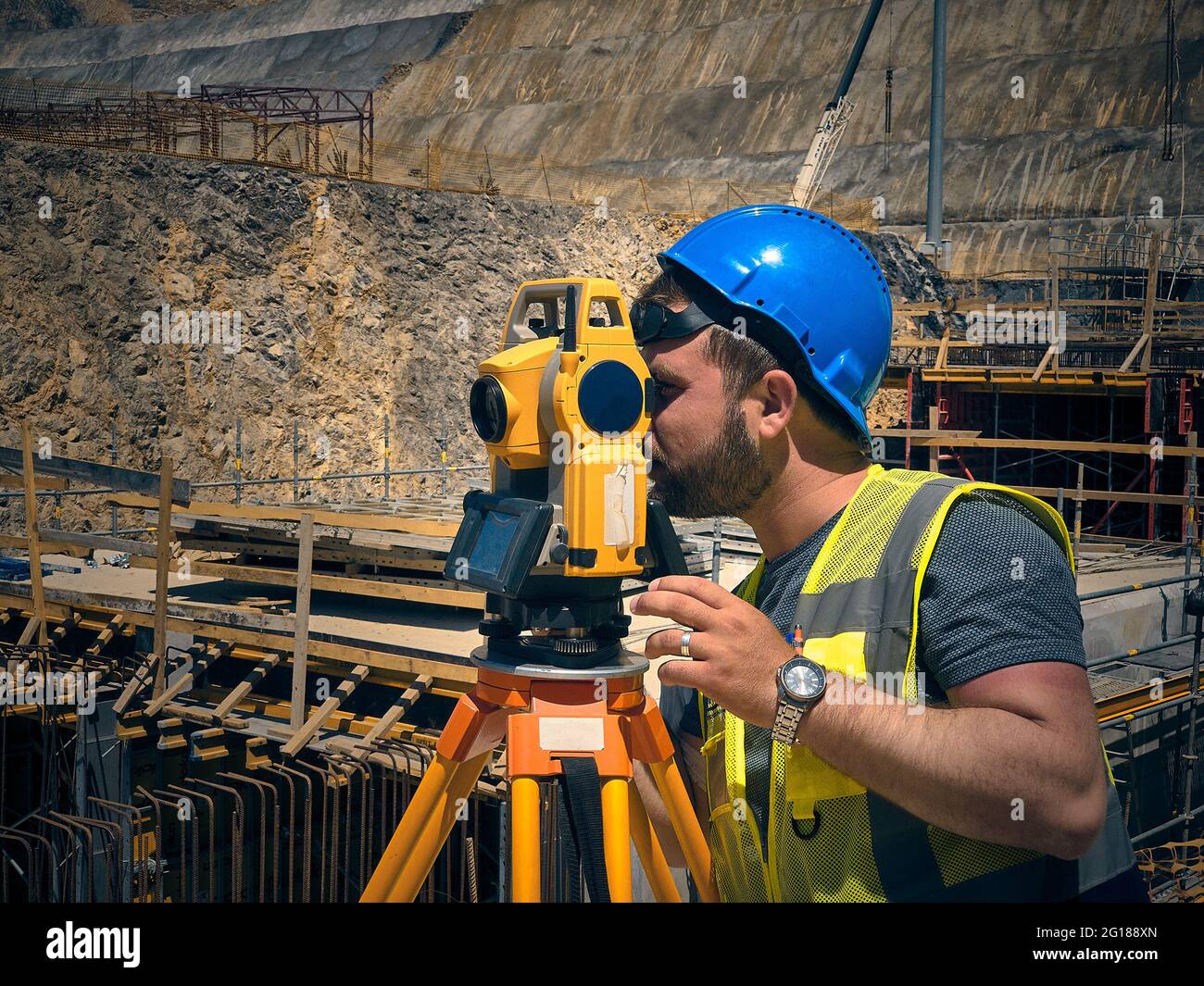
Surveyors play a essential part in the organization of real estate. Their chief task involves quantifying and plotting out land areas to demarcate property lines. By using accurate measuring techniques and up-to-date technology, land surveyors provide critical insights that informs decisions in building, real estate transactions, and land use. This insight is crucial for ensuring real estate developers and builders have a clear understanding of their property and its uses.
There are various types of surveyors, including land surveyors and structural surveyors, each specializing in various fields of surveying. Boundary surveyors focus on establishing land boundaries and topography, while building surveyors assess the condition of property and ensure adherence with regulations and requirements. Recognizing these differences helps patrons pick the appropriate expert for their individual needs, whether it involves a home project or a commercial development.
The knowledge of land surveyors extends beyond mere measurements; they also play a crucial role in managing lawful and compliance requirements. Their documents provide critical insights during land deals, helping to avoid conflicts over land limits and making sure that all aspects of the property are included. By employing a qualified land surveyor, contractors can benefit from their skills, which in the end enhances the outcome of any real estate initiative.
Advantages of Engaging a Qualified Surveyor
Engaging a professional surveyor offers invaluable expertise that can save both time and costs in the long run. browse around here possess the technical knowledge and experience required to accurately assess land and property boundaries. This precision minimizes the risk of disputes and guarantees compliance with regional regulations. Their insights can help detect potential issues early in a project, allowing property developers and owners to choose wisely and avoid expensive mistakes.
In addition, professional surveyors utilize advanced technology and tools to deliver precise measurements and comprehensive reports. This modern approach enables them to provide high-quality results that are essential during property transactions or building projects. Whether conducting a land survey, boundary assessment, or construction layout, the use of high-tech equipment and software guarantees that the results are trustworthy and up-to-date, providing peace of mind to clients.
Lastly, hiring a professional surveyor can greatly facilitate the property development process. Their expertise extends beyond mere measurements; they can guide clients through complex regulatory requirements and provide clarity on zoning laws or land use. This assistance can expedite approvals and help navigate the multifaceted landscape of property development, ultimately leading to a more seamless and more efficient project execution.
Understanding Your Surveying Options
When selecting selecting the appropriate surveying professional for your assignment, comprehending the different types of surveyors is crucial. Each type specializes in different aspects of surveying. Land surveyors focus on property boundaries and land features, while building surveyors assess the condition and legality of structures. By determining the specific needs of your project, you can refine your options and find a surveyor whose knowledge aligns with your demands.
Finding a dependable surveyor can be tough, but there are proven strategies to streamline the process. Commence by asking for referrals from friends, family, or real estate professionals who have had favorable experiences. Online reviews and professional directories also provide valuable insight into a surveyor's reputation. Additionally, consulting potential candidates and asking the right questions can help evaluate their qualifications and fit for your assignment.
Cost is a major factor in hiring a surveyor, but it should not be the only aspect. While it's essential to understand what to anticipate in terms of fees, prioritizing experience, qualifications, and reputation can lead to a higher quality overall outcome for your assignment. Feel free to talk about your budget and seek information on different payment structures. Making an educated choice in hiring a surveyor can ultimately save you weeks, money, and potential setbacks in your property development journey.